Source Acrylic Wedding Pendant Light for Hotels, Restaurants, and Homes
Find and compare 30 acrylic wedding pendant light options from verified suppliers. Evaluate features like voltage, material, and certification to select the ideal fixture for your venue or residential project.
Key considerations
Products List


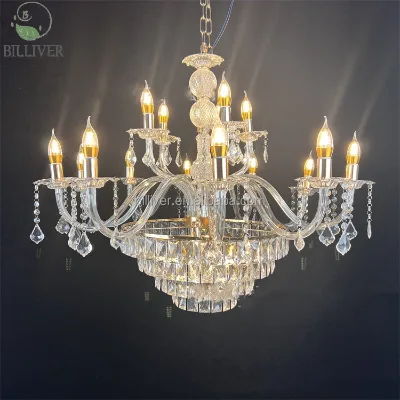
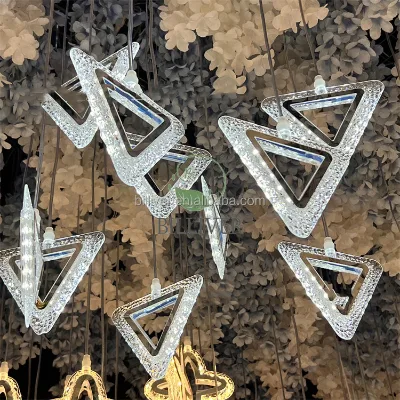
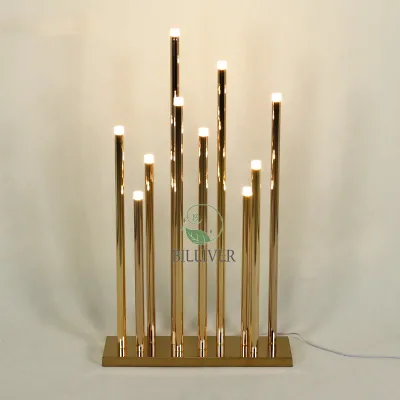
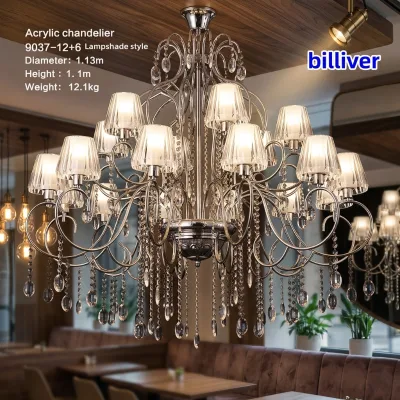
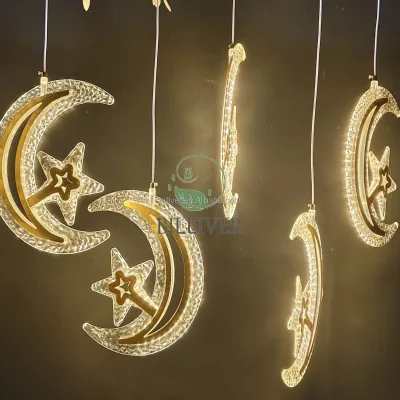
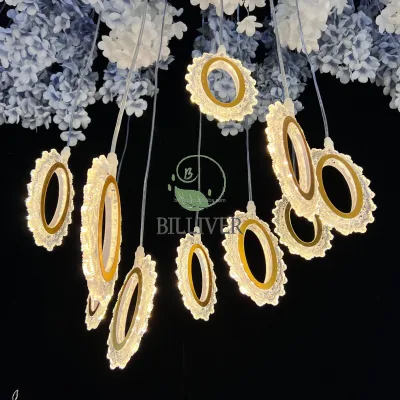


Comprehensive Sourcing Guide
Acrylic Wedding Pendant Light Sourcing Guide
Sourcing acrylic pendant lights for wedding venues and event spaces requires a careful balance between aesthetic appeal and functional durability. Acrylic is a popular material for this application because it offers the clarity and refractive qualities of glass while being significantly lighter and more shatter-resistant. This makes it ideal for high-ceiling venues, outdoor installations, or areas with high foot traffic where safety is a primary concern. Buyers must understand that while the material is robust, the optical quality can vary widely between suppliers, directly impacting the final ambiance of the event.
The procurement process for these fixtures involves navigating a diverse market of manufacturers, primarily based in China, who offer extensive customization options. From the shape of the acrylic diffuser to the finish of the metal frame, nearly every aspect of the light can be tailored to match specific wedding themes. However, this flexibility introduces complexity in quality control and specification verification. Procurement teams must establish clear technical requirements early in the sourcing process to ensure that the final product meets both the visual expectations of the client and the electrical safety standards of the destination market.
Product Scope and Observed Listing Signals
The current market for acrylic wedding pendant lights presents a wide range of product configurations, with observed listing prices ranging from $1 to $500 USD. This broad spectrum reflects differences in material thickness, design complexity, and the inclusion of integrated LED sources. Lower-priced items may feature thinner acrylic sheets or simpler metal constructions, while premium options often include high-clarity, multi-layered acrylics with precision-cut edges and premium finishes such as gold, chrome, or matte black. Buyers should correlate price points with specific material grades and design intricacies rather than assuming a linear relationship between cost and quality.
Minimum Order Quantities (MOQs) in this category typically range from 1 to 100 units, indicating that suppliers are equipped to handle both small boutique orders and large-scale event procurement. Many suppliers offer customization services, allowing buyers to modify dimensions, colors, and mounting hardware to suit specific venue requirements. The observed product attributes also highlight a variety of voltage options, including 220V, 90V-260V, and dual-voltage configurations (110-130V/220-240V), which is critical for international events. Procurement teams must verify the voltage compatibility of each unit against the local electrical infrastructure of the wedding venue to prevent operational failures.
Technical Specifications to Verify
When evaluating acrylic pendant lights, the clarity and finish of the acrylic material are paramount. Buyers should request samples or detailed specifications regarding the acrylic grade, such as PMMA (Polymethyl Methacrylate), and verify the edge polishing quality. Poorly polished edges can appear cloudy or yellowed, detracting from the light’s elegance. Additionally, the metal components, often made from iron or copper-plated materials, should be inspected for corrosion resistance and finish durability. The combination of materials, such as acrylic with iron frames or crystal accents, must be structurally sound to support the weight of the fixture safely.
Lighting performance is another critical technical aspect, particularly for wedding environments where ambiance is key. Buyers should verify the light source type, with LED being the standard for energy efficiency and longevity. Key specifications to confirm include the color temperature, beam angle, andCRI (Color Rendering Index), which affects how skin tones and food appear under the light. Some listings indicate a beaming angle of 60°, which is suitable for focused accent lighting, while others may offer wider dispersion. The irradiated area, often cited as 15-30 square meters for certain models, helps buyers calculate the number of fixtures needed for adequate coverage in large banquet halls or outdoor tents.
Compliance and Safety Documentation
Electrical safety certifications are non-negotiable for wedding venues, which often host large gatherings in enclosed or semi-enclosed spaces. Buyers must ensure that all pendant lights carry the appropriate certifications for their target market, such as CE, RoHS, SAA, CCC, VDE, or ETL. These certifications indicate that the product has undergone rigorous testing for electrical safety, electromagnetic compatibility, and hazardous substance restrictions. The presence of multiple certifications, such as CE and RoHS together, suggests a higher level of compliance with both European and general international standards, reducing the risk of customs delays or safety liabilities.
Waterproofing and IP ratings are also essential considerations, especially for weddings held in outdoor settings or venues with high humidity. While many indoor-focused fixtures may not require high IP ratings, those intended for outdoor use or covered patios should have an IP65 rating or higher to protect against dust and water jets. Buyers should verify the IP rating of the driver and the light source separately, as the driver is often the most vulnerable component to moisture damage. Ensuring that all electrical components are properly sealed and rated for the intended environment is crucial for maintaining safety and preventing short circuits during the event.
Cost Drivers and Commercial Terms
The total cost of ownership for acrylic pendant lights extends beyond the unit price to include packaging, shipping, and potential customization fees. Packaging plays a significant role in protecting the fragile acrylic and metal components during transit. Common packaging methods include carton boxes, foam inserts, and wooden frames, with some suppliers offering customized packaging to enhance brand presentation. Buyers should assess the robustness of the packaging to minimize breakage rates, which can significantly impact the overall cost and timeline of the procurement.
Commercial terms such as payment methods, delivery times, and warranty periods also influence the procurement decision. Standard payment methods include T/T, Western Union, and others, with terms varying by supplier. Delivery times can range from standard shipping to elaborate, customized production schedules, which must be factored into the event planning timeline. A warranty period of 3 years is commonly offered, providing assurance against manufacturing defects. Buyers should clarify the warranty terms, including what constitutes a defect and the process for claiming replacements or repairs, to mitigate long-term risks.
Supplier Qualification and Quality Control
Verifying supplier qualifications is a critical step in ensuring the reliability of the procurement process. Buyers should request business licenses, factory audits, and past performance records to assess the supplier’s capability to deliver high-quality acrylic pendant lights. Suppliers based in China, which is a major manufacturing hub for lighting products, often have extensive experience in exporting to various markets. However, buyers must conduct due diligence to ensure that the supplier has a proven track record in producing lighting fixtures that meet international safety and quality standards.
Quality control measures should be established before production begins, including clear specifications for materials, dimensions, and electrical performance. Buyers should consider implementing pre-shipment inspections to verify that the products match the approved samples and specifications. This includes checking the clarity of the acrylic, the finish of the metal components, and the functionality of the light source. Establishing a clear communication channel with the supplier for addressing any issues during production can help prevent delays and ensure that the final products meet the buyer’s expectations.
Long-Term Procurement Checks
After the initial procurement, buyers should monitor the performance of the acrylic pendant lights in real-world applications. Feedback from event organizers and venue managers can provide valuable insights into the durability, ease of installation, and maintenance requirements of the fixtures. Common issues may include yellowing of the acrylic over time, flickering of the LED sources, or corrosion of the metal components. Documenting these observations can help buyers make informed decisions for future purchases and identify suppliers who consistently deliver high-quality products.
Long-term procurement strategies should also include building relationships with reliable suppliers who can offer consistent quality and competitive pricing. Regularly reviewing supplier performance and updating qualification criteria can help maintain a high standard of procurement. Additionally, staying informed about industry trends and technological advancements in LED lighting and acrylic materials can enable buyers to source more innovative and efficient products. By focusing on continuous improvement and supplier collaboration, buyers can ensure that their acrylic wedding pendant lights continue to meet the evolving needs of their clients and venues.
FAQs
What certifications do the lights have?
The lights carry CE, RoHS, SAA, and CCC certifications. Some models also include VDE and ETL approvals. These certifications ensure compliance with international safety and environmental standards for various markets.
Can the lights be customized for buyers?
Yes, customization is available for these lighting products. Buyers can request specific branding or design adjustments. This flexibility allows vendors to meet unique project requirements and brand identity needs.
What is the warranty period for these lights?
The warranty period is three years for the listed products. This coverage protects against manufacturing defects and ensures long-term reliability. Buyers should verify specific terms with the supplier before purchase.
Which materials are used in the construction?
Materials include PVC, copper, iron, crystal, and glass. The specific composition depends on the product model and style. These durable materials ensure structural integrity and aesthetic appeal for various applications.
How is the product packed for shipping?
Packing options include carton boxes, foam, and wooden frames. Some items use a combination of carton, foam, and wooden holders. This robust packaging protects the lights during international transport via express or sea freight.
What voltage ranges do the lights support?
The lights support voltage ranges from 90V to 260V. Specific models may operate at 220V or 220-240V/110-130V. This wide range ensures compatibility with electrical systems in different countries and regions.
Where are these products manufactured?
The products originate from China. This location is a major hub for lighting manufacturing and export. Buyers can expect efficient logistics and competitive pricing due to the established supply chain infrastructure.